Research Feature
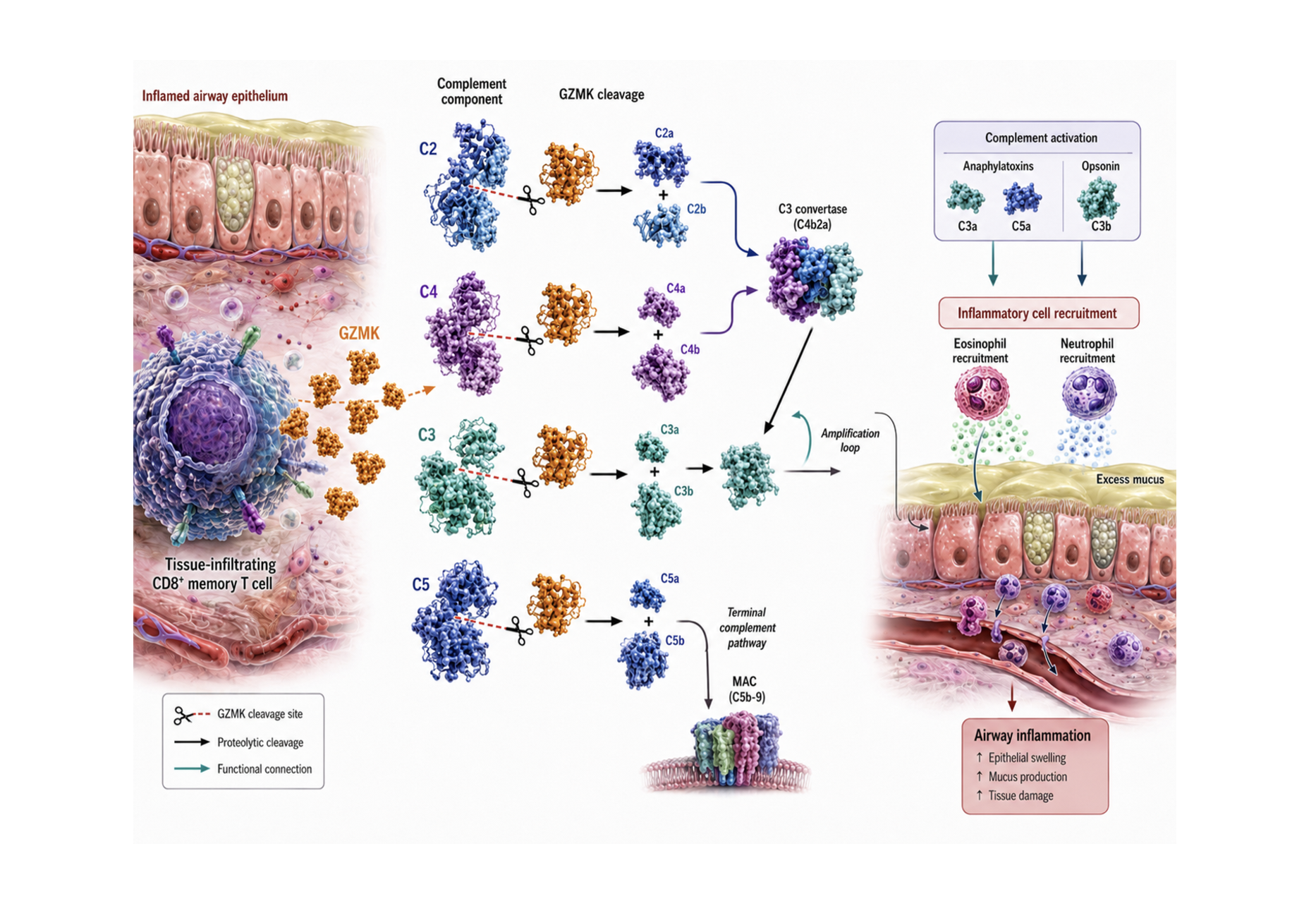
Memory T Cells Armed with a Complement-Activating Enzyme Drive Recurrent Airway Diseases
A Tsinghua University–led team identifies a long-overlooked population of CD8⁺ T cells whose effector molecule, Granzyme K, fuels chronic rhinosinusitis and asthma — and points to it as a new therapeutic target.
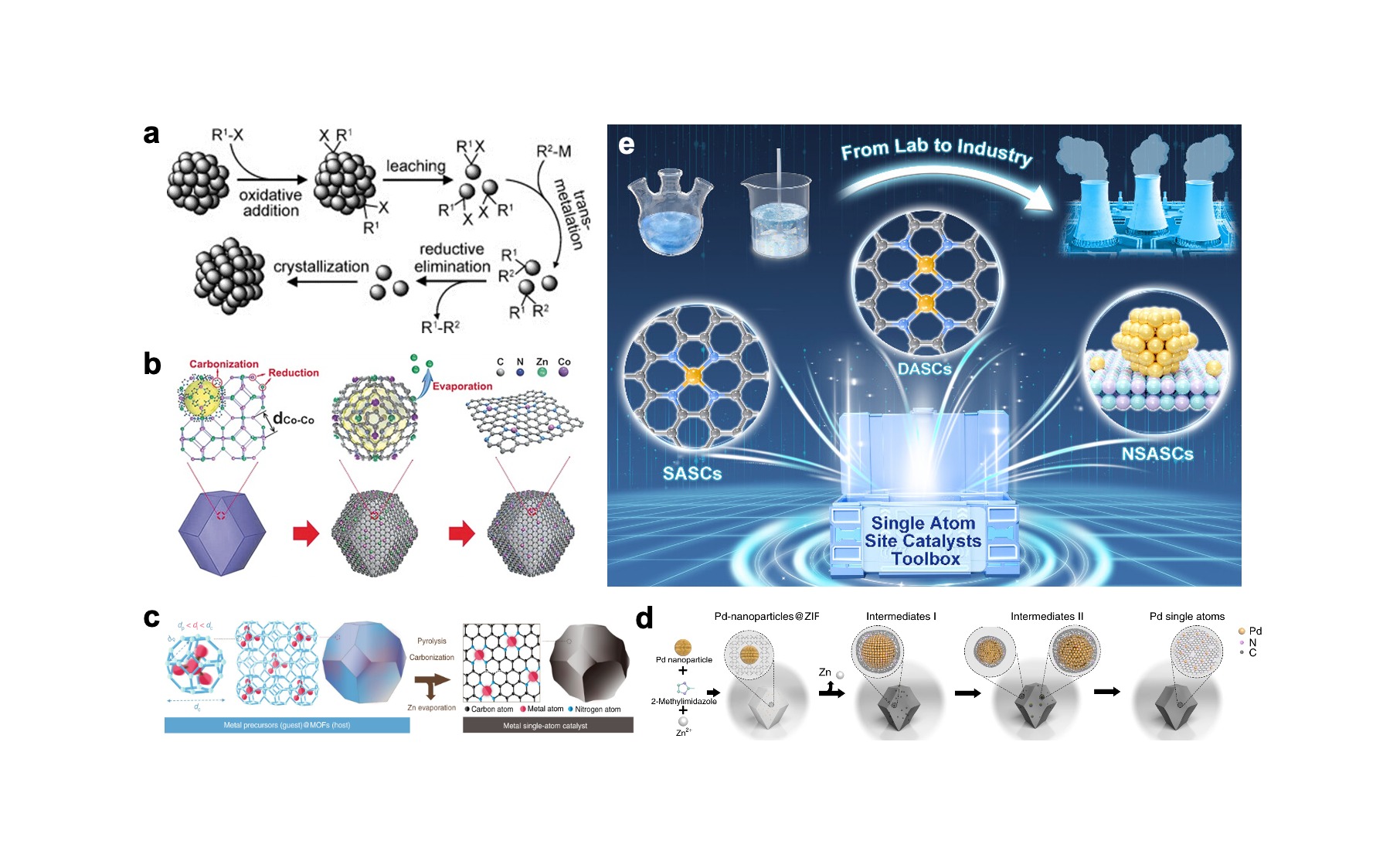
Single-Atom-Site Catalysis: A New Driving Force for Advancing Energy, Environmental, Materials, Chemistry, ...
To enhance catalytic efficiency and reduce catalyst cost through uniform and maximized metal-atom utilization, Professor Yadong Li’s team at Tsinghua University has developed a series of synthetic technologies for metal single-atom-site catalysts. These advances have established a versatile and ...
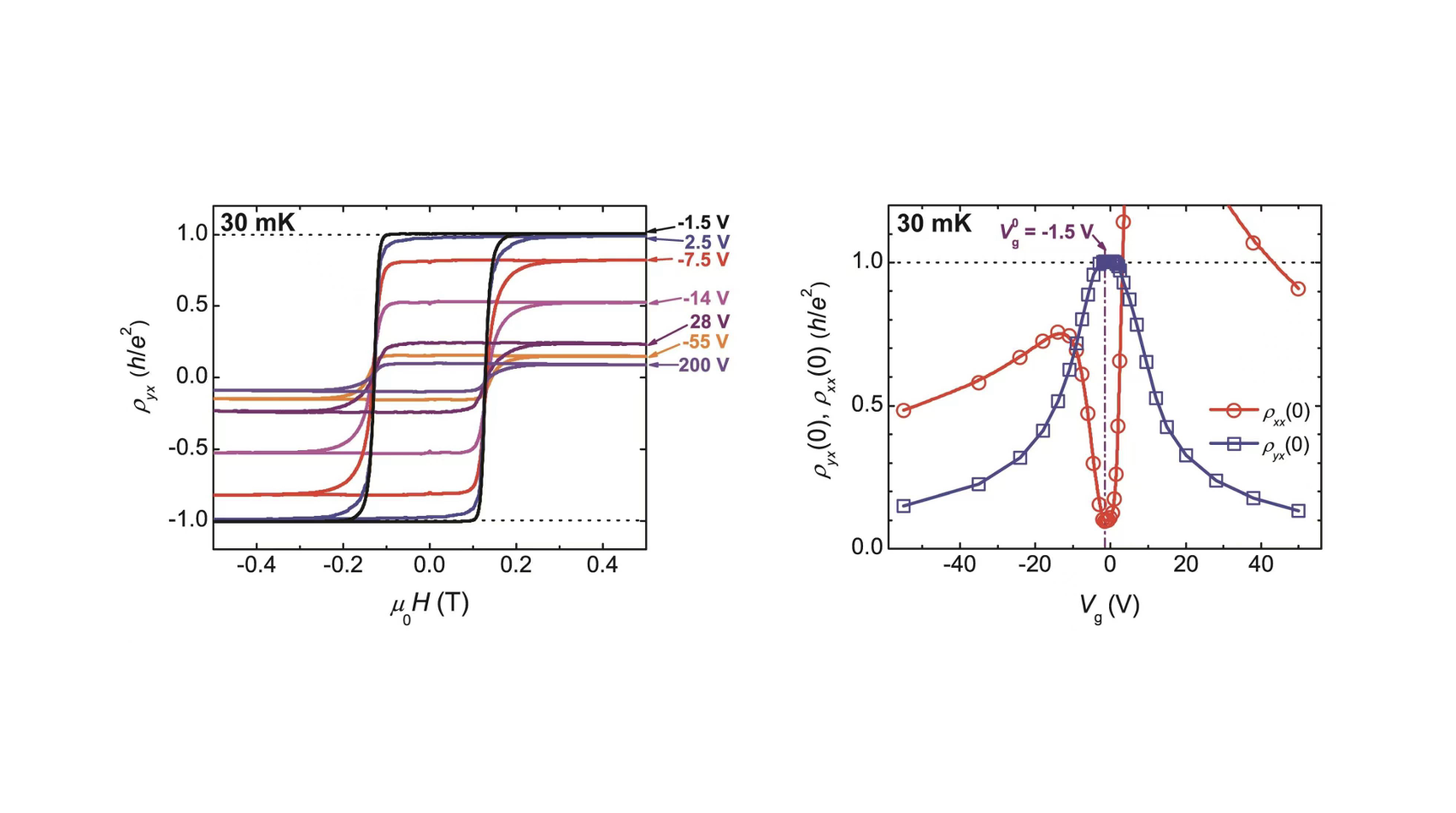
The Experimental Realization of the Quantum Anomalous Hall Effect
The quantum anomalous Hall effect—a quantized Hall effect that exists even without an external magnetic field—remained a theoretical dream for 25 years. In 2013, a team led by Qi-Kun Xue at Tsinghua University realized it in an engineered magnetic topological insulator thin film, opening the do...
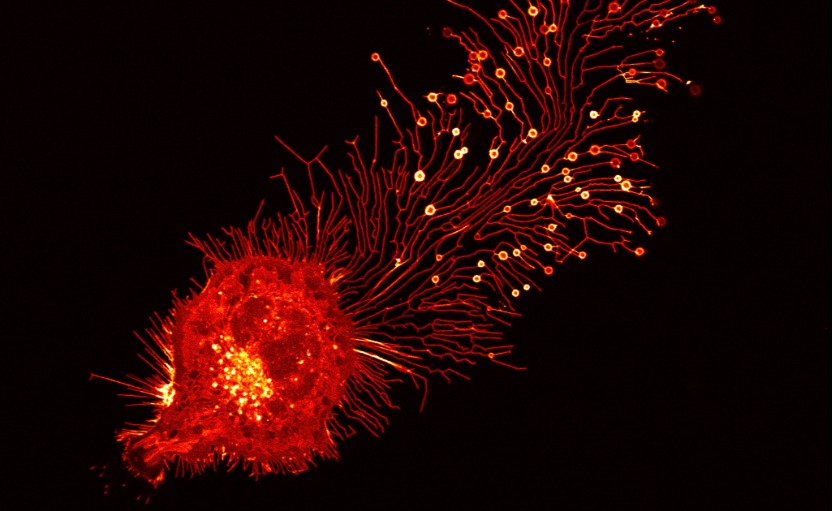
Migrasome — From a “Pomegranate-Like Structure” to a New Frontier in Biology
A decade after its discovery, the migrasome—a unique organelle enabling systematic, long-range, and targeted cellular communication—has begun to establish a new conceptual framework for cell–cell communication. This paradigm is reshaping our understanding of angiogenesis, coagulation, tumor me...
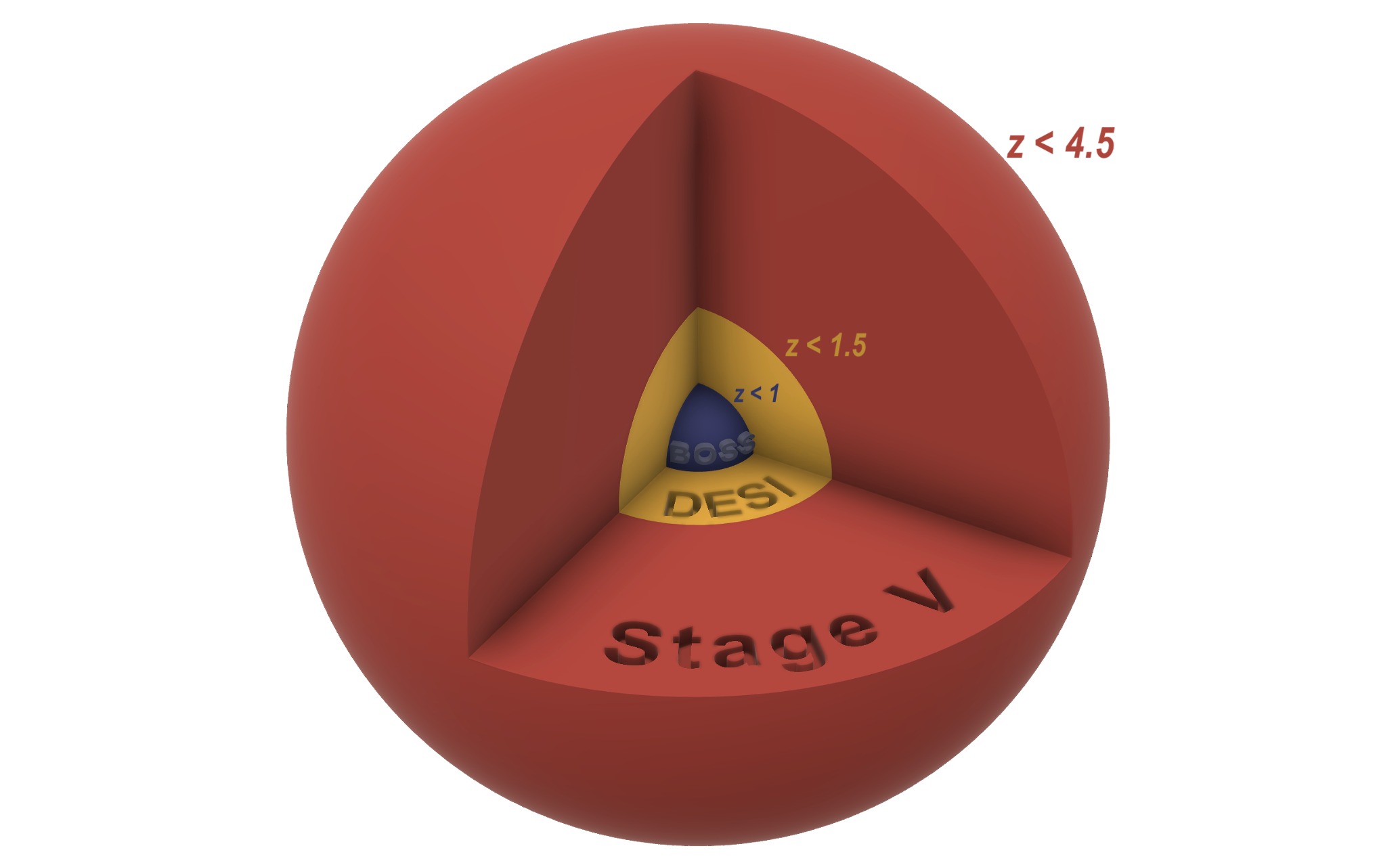
Unveiling the Dark Universe: Tsinghua's AI-Powered MUST Telescope Set to Decode Dark Matter and Dark Energy
The integration of advanced artificial intelligence with a next-generation spectroscopic survey telescope will help scientists map the cosmos and solve the universe's greatest mysteries.

010-62793001
webmaster@tsinghua.edu.cn