From October 2 to 4, Qiu Yong, Secretary of the CPC Tsinghua University Committee, visited Malaysia and Indonesia to advance cooperation between Tsinghua University and Southeast Asian countries in areas such as education, science and technology, and industry, and contribute Tsinghua’s strength to building an even closer China-ASEAN community with a shared future.
Yang Bin, Vice Chancellor of the Tsinghua University Council, accompanied Qiu Yong on the visit. Jiang Peixue, Academician of the Chinese Academy of Sciences and Professor at the Department of Energy and Power Engineering, Tsinghua University, and C. C. Chan, Academician of the Chinese Academy of Engineering and Distinguished Chair Professor at The Hong Kong Polytechnic University, participated in some of the activities.
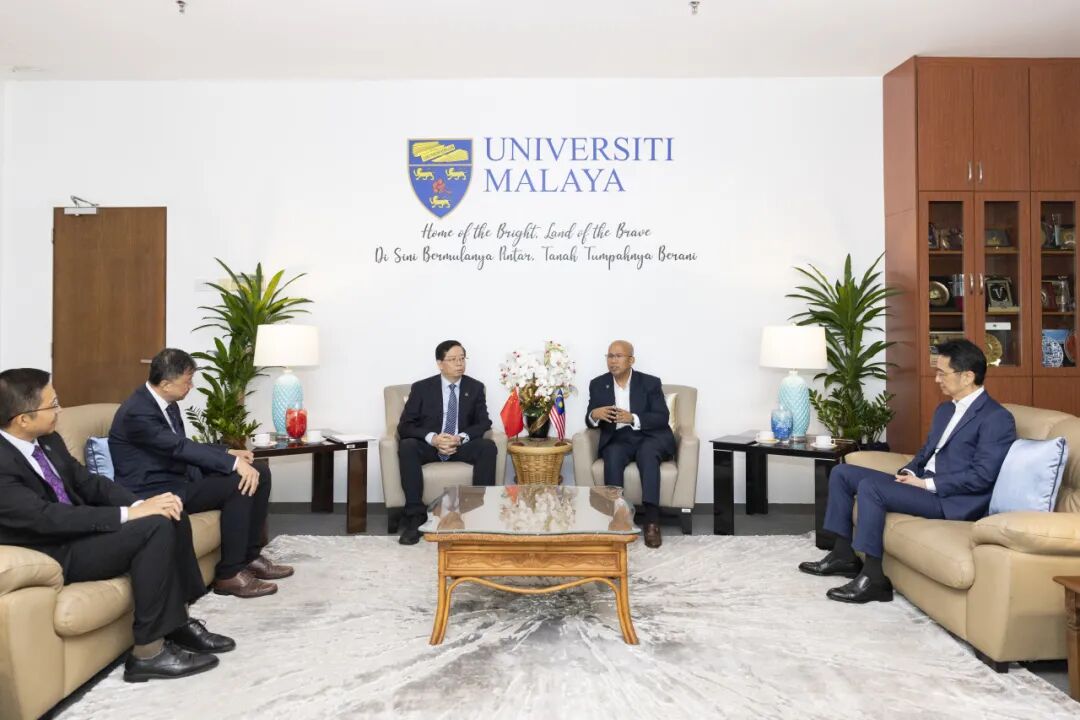
Qiu Yong meets with Noor Azuan
On October 2, Qiu Yong visited Universiti Malaya (UM), where he met with Vice-Chancellor Prof. Noor Azuan Abu Osman. Qiu noted that Universiti Malaya is an important partner of Tsinghua University in Malaysia and a founding member of the Asian Universities Alliance (AUA), which Tsinghua initiated in 2017. He expressed the hope that both sides would jointly seize the opportunities presented by the AI era and strengthen cooperation in areas including talent cultivation, research and innovation, and culture and the arts, thereby contributing further to the advancement of higher education in both countries.
Prof. Noor Azuan said that Tsinghua University is a prestigious, world-class institution and expressed confidence that cooperation between the two sides would inject new momentum into educational development and technological innovation in both countries.
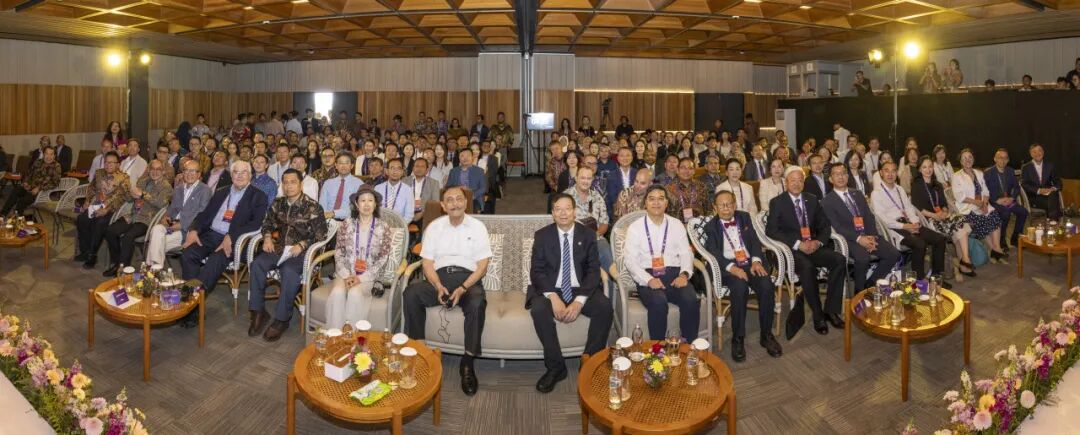
Guests at the China-Southeast Asia Forum gather for a group photo
On October 4, the China-Southeast Asia Forum on Higher Education and Industry Cooperation 2026 was held at the Tsinghua Southeast Asia Center. The forum was co-hosted by Tsinghua University, the National Economic Council of Indonesia, and the Ministry of Higher Education, Science, and Technology of Indonesia. Qiu Yong and Luhut Binsar Pandjaitan, Chairman of the National Economic Council, attended the forum and delivered speeches. Brian Yuliarto, Minister of Higher Education, Science, and Technology, delivered a video address. Ali Murtopo Simbolon, Deputy for Trade and Digital Economy of the Coordinating Ministry for Economic Affairs, and Acting Secretary General of the National Council for Special Economic Zones; Zhang Zhisheng, Chinese Consul General in Denpasar; Bai Zhen, Deputy Director of the Guizhou Provincial Department of Education and Deputy Secretary-General of the Secretariat of the Organizing Committee of the China-ASEAN Education Cooperation Week; and Zhou Hongwen, Founding Partner of Envision Group and Executive Director of Envision Energy, attended and delivered remarks. Prof. Jiang Peixue, Prof. C. C. Chan, and Cherie Nursalim, Vice Chairwoman of Indonesia’s GITI Group and Co-Chair of the Tsinghua Southeast Asia Center, among others, also attended the forum. Prof. Yang Bin presided over the opening ceremony.
Qiu Yong noted that 2026 marks the 10th anniversary of the launch of Tsinghua University’s Global Strategy. The significance of this strategy lies not only in broadening and deepening international exchange and cooperation, but also in prompting the University to re-examine its relationship with the world and reflect deeply on how to better create knowledge, nurture talent, and serve society. At a time when artificial intelligence is reshaping scientific discovery, industrial innovation, and the ways knowledge is produced and disseminated, universities play an increasingly important role. Looking ahead, Tsinghua University will continue to strengthen international exchange and cooperation, take the initiative in building platforms for friendly educational and cultural exchanges between China and the world, jointly address global challenges, and promote the common well-being of humanity. He expressed the hope that the Tsinghua Southeast Asia Center will serve even more effectively as a bridge—deepening cooperation between China and Southeast Asia in talent cultivation, sci‑tech innovation, and industrial development, and turning innovative achievements into concrete results that drive shared growth.
Luhut emphasized that Indonesia's development would not have been possible without China’s support and participation. As a long-standing friend of Tsinghua University, he has seen firsthand how the university has continuously expanded its global influence through its Global Strategy. Going forward, he hopes to deepen cooperation with Tsinghua University in emerging areas such as artificial intelligence, biotechnology, healthcare, and new energy, and to explore joint R&D, production, and innovation. He expressed confidence that the Tsinghua Southeast Asia Center will play an increasingly important role in these efforts.
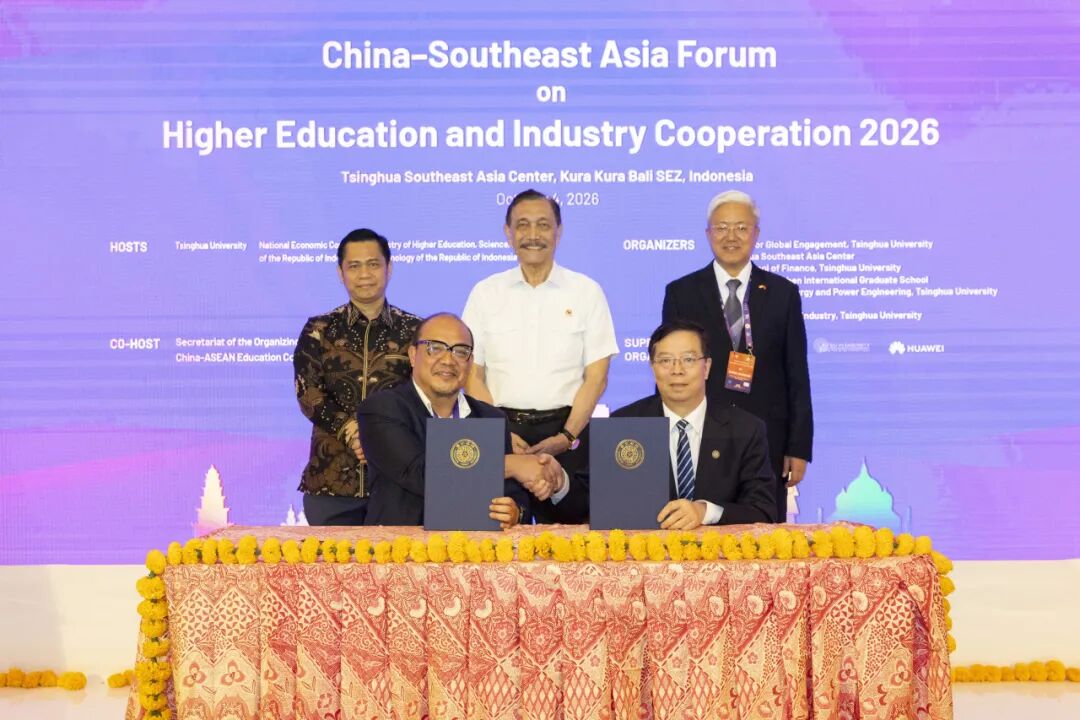
Tsinghua University and Institut Teknologi Del sign a memorandum of understanding on cooperation
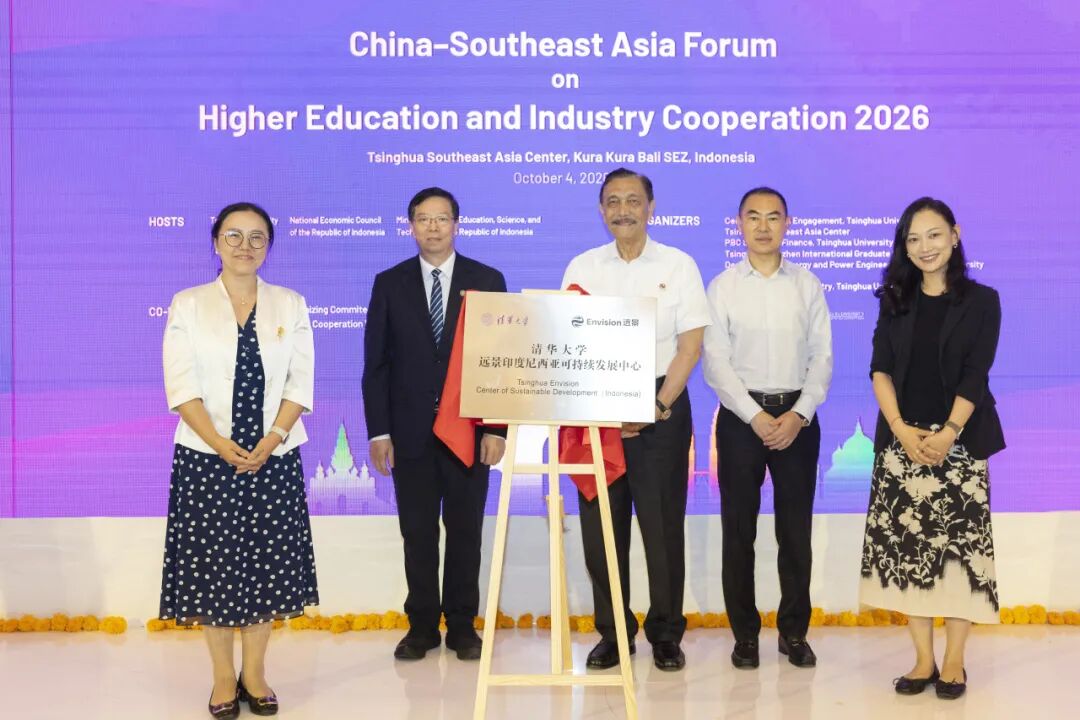
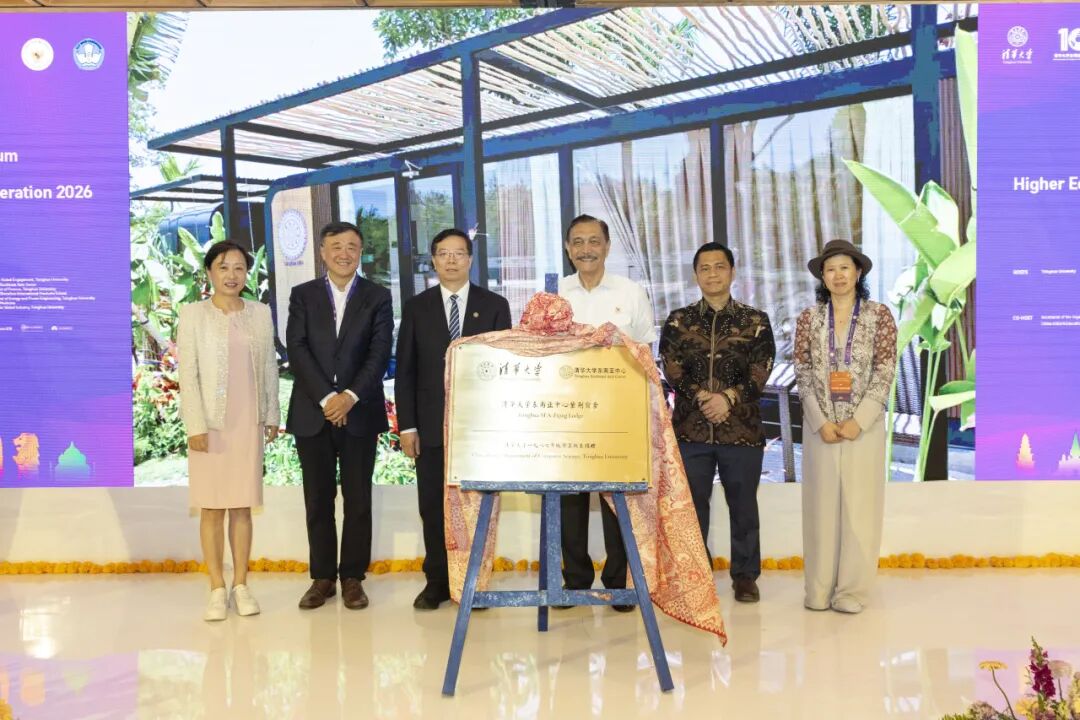
Plaque unveiling for the Tsinghua-Envision Center of Sustainable Development (Indonesia) and Zijing Lodge of Tsinghua Southeast Asia Center
During the forum, Tsinghua University signed a memorandum of understanding (MoU) on cooperation with Institut Teknologi Del (IT Del) in Indonesia. Meanwhile, Tsinghua Shenzhen International Graduate School (Tsinghua SIGS) and Institut Teknologi Sepuluh Nopember (ITS), as well as the Yangtze Delta Region Institute of Tsinghua University, Zhejiang and IPB University (Bogor Agricultural University), signed cooperation agreements respectively. The guests also jointly unveiled the Tsinghua Envision Center of Sustainable Development (Indonesia) and the Zijing Lodge of Tsinghua Southeast Asia Center. In addition, two roundtable forums and three sub-forums were held, bringing together more than 100 representatives from governments, academia, and industries across China and Southeast Asian countries. Participants engaged in in-depth discussions on topics such as AI-empowered education and industrial cooperation between China and Southeast Asia.
During the visit, Qiu Yong met with alumni in Kuala Lumpur, Malaysia and Jakarta, Indonesia. He also held talks with long-standing friends and supporters of the University’s development, including Lee Yeow Seng, Chief Executive Officer of Malaysia’s IOI Properties Group, and Franky Oesman Widjaja, Board Member of Indonesia’s Sinar Mas Group.
Heads of the Office of International Affairs and the Tsinghua University Education Foundation joined the visit. Representatives from the Department of Energy and Power Engineering, Tsinghua Medicine, the School of Pharmaceutical Sciences, the School of Biomedical Engineering, the PBC School of Finance, Tsinghua Shenzhen International Graduate School, and the Institute for Carbon Neutrality also participated in relevant activities.
Editors: Li Han, John Paul Grima