Arctic shipping sits at the intersection of climate change, international trade and polar environmental protection. Growing seaborne trade is increasing demand for transport among Asia, Europe and North America, while rapid Arctic warming and sea-ice retreat are making Arctic routes more navigable. Although these routes can shorten some voyages across the Pacific, Atlantic and Arctic Oceans, expanding shipping may threaten fragile Arctic ecosystems and Indigenous livelihoods. Key risks include air and marine pollution, black carbon deposition, biological invasions, underwater noise and oil spills. A systematic understanding is still needed of how economic incentives, governance, climate change, technology and infrastructure interact with ecological risks to drive Arctic shipping and shape its cross-sphere impacts.
Recently, the research team of Academician He Kebin and Huan Professor Liu from School of Environment reviewed trends in Arctic climate, sea ice, shipping activity and ship emissions. The study identifies the key drivers of Arctic shipping growth, assesses impacts across the atmosphere, cryosphere, hydrosphere and biosphere, and proposes technological, economic and governance pathways for sustainable Arctic shipping.
The study shows that the Arctic sea-ice area in September declined by 35.8% from 1980 to 2024, substantially extending the theoretical navigation window for some routes. From 2013 to 2023, ship traffic in the IMO Polar Code Arctic area continued to increase. The number of unique ships entering the area in September rose by an average of 45 ships per year. Fishing vessels and general cargo ships accounted for about half of total traffic. Over the same period, the spatial footprint of shipping CO2 emissions north of 60° N expanded, and total emissions increased by 6.3%. These results show that climate change is reshaping both the Arctic environment and patterns of human activity in the region (Fig. 1).
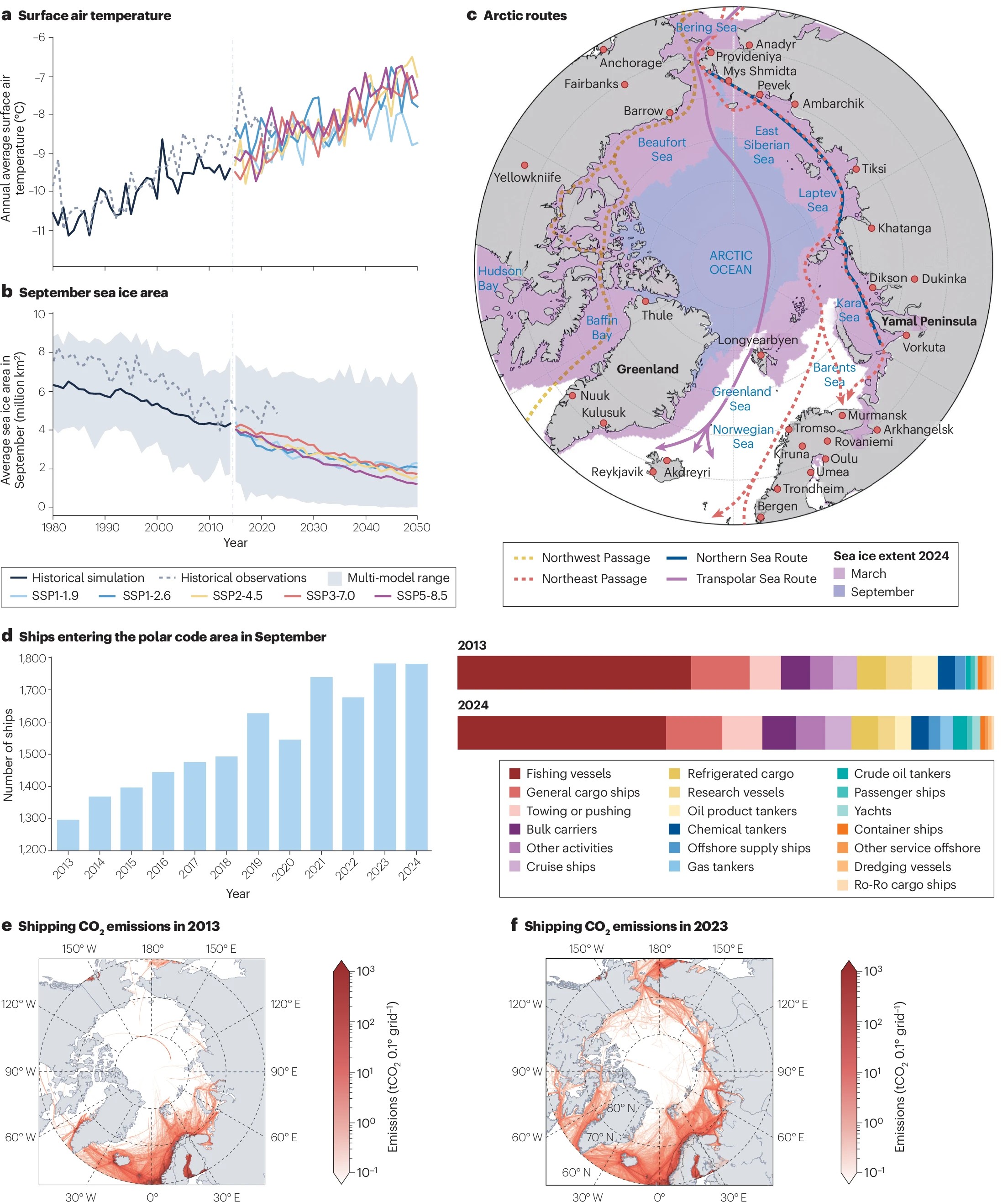
Fig. 1. Trends in Arctic climate, sea ice and shipping.
The study identifies economic incentives as the primary driver of Arctic shipping growth. Shorter Arctic routes can reduce transport distances, transit times and fuel consumption, making them commercially attractive. Resource extraction, fisheries and cruise tourism further draw vessels into high-latitude waters. Governance frameworks, climate change, technology and infrastructure also shape this development. Regulations safeguard shipping safety and environmental protection, while advances in icebreakers, sea-ice forecasting, satellite communications, ports, and search-and-rescue facilities are essential for managing sea fog, storms and drifting ice.
The environmental impacts of Arctic shipping span the atmosphere, cryosphere, hydrosphere and biosphere. In the atmosphere, ship emissions of SOx, NOx, CO2, particulate matter and methane can degrade air quality and affect human health. Modelling studies show that shipping activity from 2012 to 2015 increased NOx, PM2.5 and O3 concentrations along Arctic routes and coastal areas in Norway and Canada. Ship emissions caused an estimated 560-1,100 premature deaths in the Nordic Arctic in 2015. In the cryosphere, ship-derived black carbon can reduce snow and ice albedo, accelerating melt and reinforcing feedback between sea-ice loss and increased shipping. In marine ecosystems, greywater and waste discharge may release microplastics, pharmaceutical residues and persistent organic pollutants. Their accumulation can be intensified by the Arctic's low temperatures and weak light. Oil spills, biological invasions, noise pollution and ship strikes also pose serious risks. These include seabird mortality and disruption to the migration, foraging and diving behaviours of marine mammals such as beluga whales, bowhead whales and narwhals (Fig. 2).
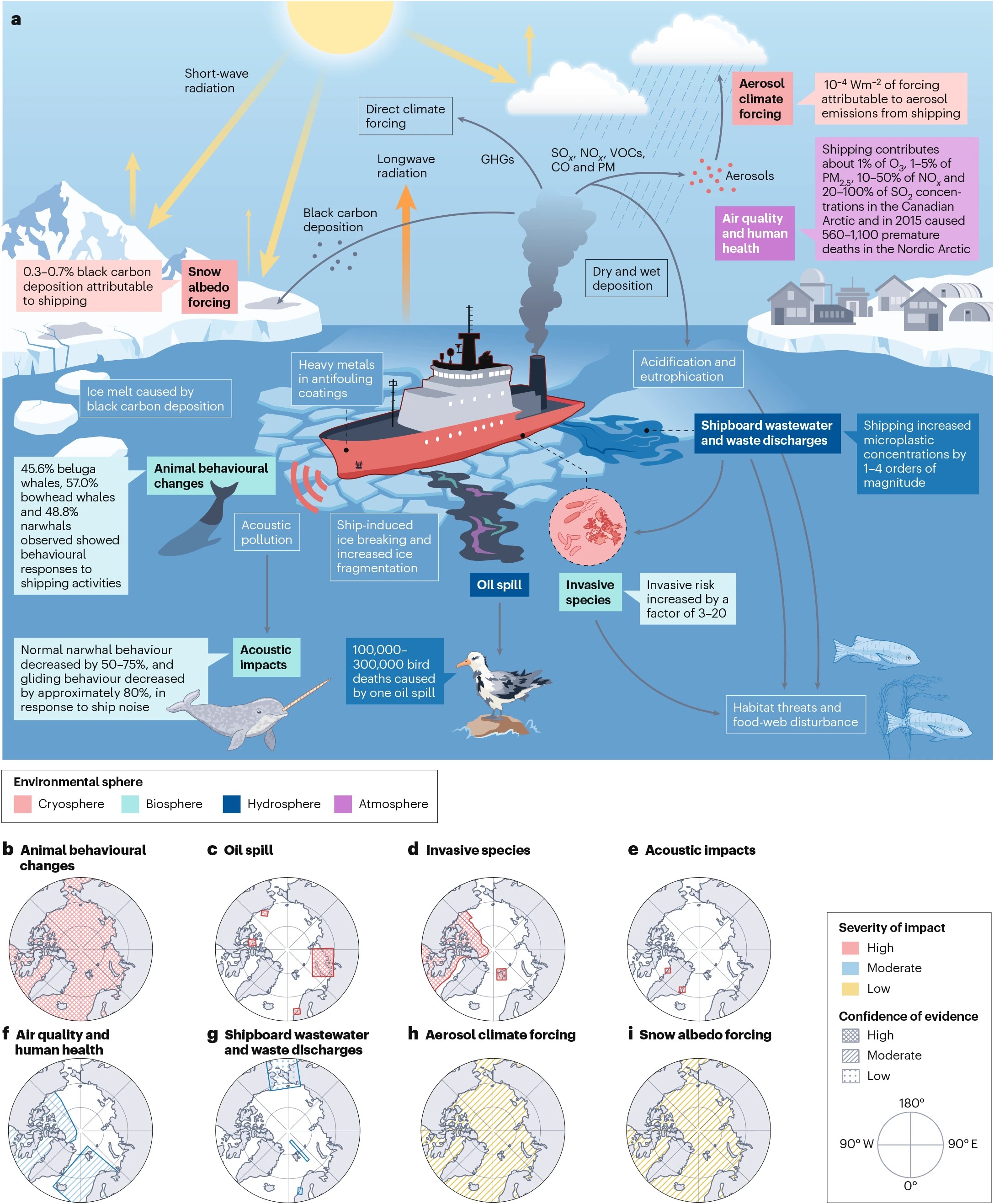
Fig. 2. Multi-sphere impacts of Arctic shipping.
The study further highlights a feedback chain linking drivers, development, impacts and renewed drivers. Climate change and sea-ice retreat improve route accessibility, while economic benefits stimulate shipping growth. Shipping then affects the Arctic environment through emissions, pollution and ecological disturbance, prompting adjustments in governance frameworks, technical standards and market mechanisms. Sustainable Arctic shipping therefore requires coordinated action across economic, climatic, ecological and governance dimensions.
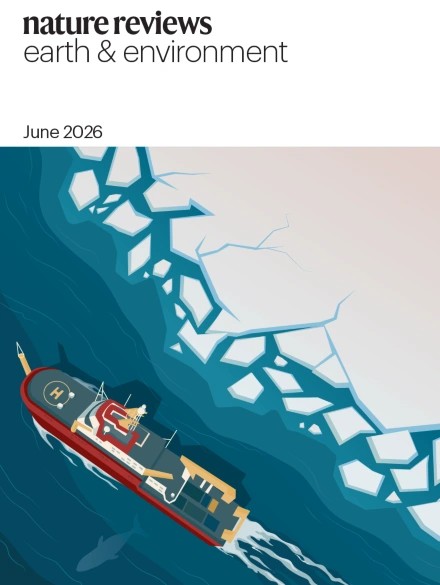
On May 26, 2026, the study was published in Nature Reviews Earth & Environment under the title "Drivers and environmental impacts of Arctic shipping" and was featured on the cover.
Wen Yi, a 2021 direct-entry PhD student at the School of Environment, Tsinghua University, is the first author of the paper. Professor Huan Liu and postdoctoral researcher Zhenyu Luo are the corresponding authors. The co-authors include Academician Kebin He from the School of Environment and the Institute for Carbon Neutrality at Tsinghua University; Academician Qiang Zhang from the Department of Earth System Science at Tsinghua University; Researcher Feng Cai from the Third Institute of Oceanography, Ministry of Natural Resources; Dr Elena Rovenskaya from the International Institute for Applied Systems Analysis and Lomonosov Moscow State University; Dr Nikita Strelkovskii from the International Institute for Applied Systems Analysis; Dr Szu Hui Ng from the National University of Singapore; Dr Ran Yan from Nanyang Technological University; and graduate students Li Peng, Ziluo Liu, Xueqing Wang, Zeyu Yang, Tingkun He and Weiwei Zhang from the School of Environment, Tsinghua University. This work was supported by the National Natural Science Foundation of China and other funding programmes.
Paper link:
https://www.nature.com/articles/s43017-026-00790-2